Understanding the diseases
Dysimmune and inflammatory neuropathies
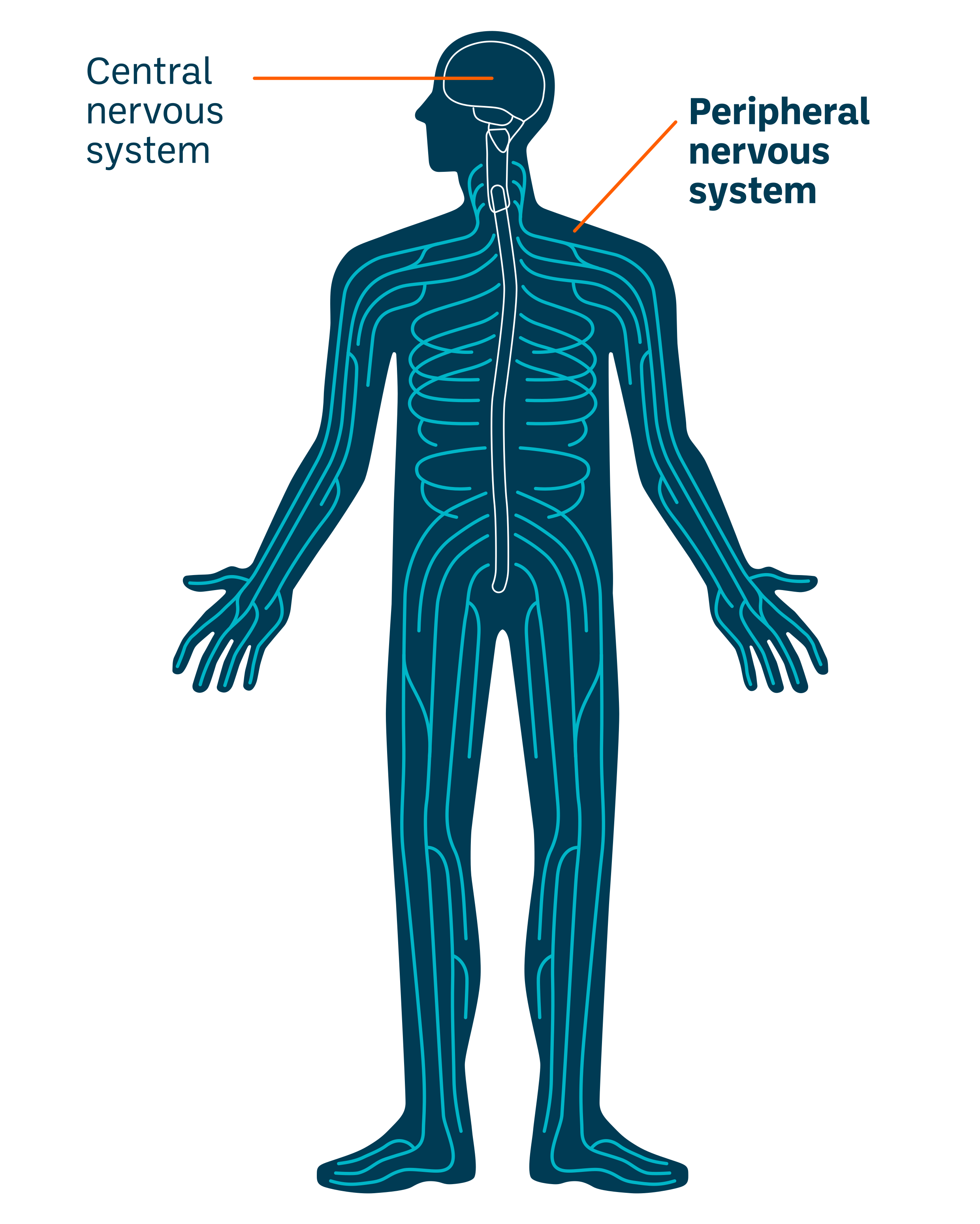
The peripheral nervous system
The network of nerves that links your brain and spinal cord to the rest of your body.
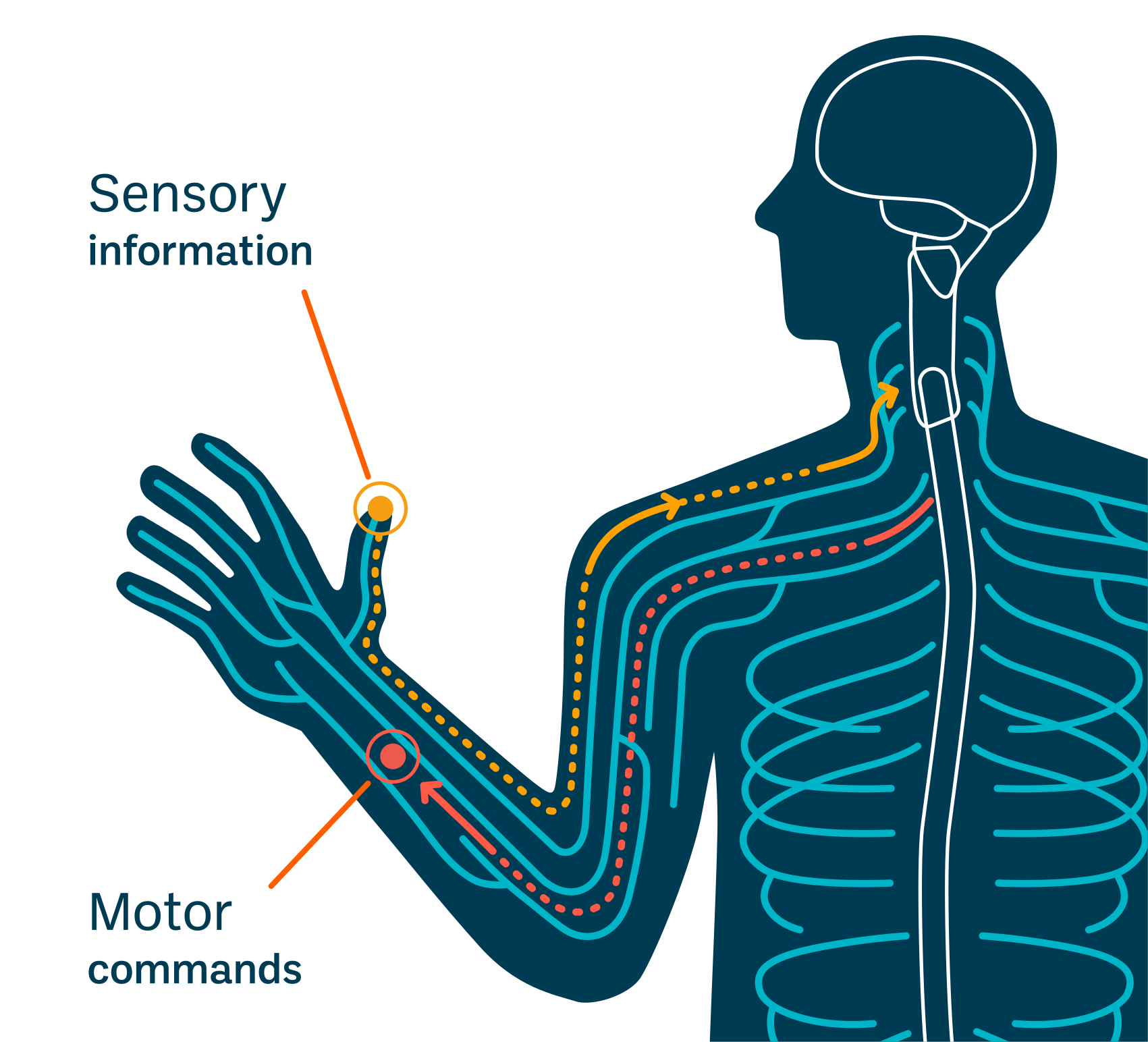
Two-way traffic
Sensory nerves carry information inward — touch, temperature, pain, the position of your limbs. Motor nerves carry commands outward — telling your muscles to move. Same network, opposite directions.
The nerve fibre
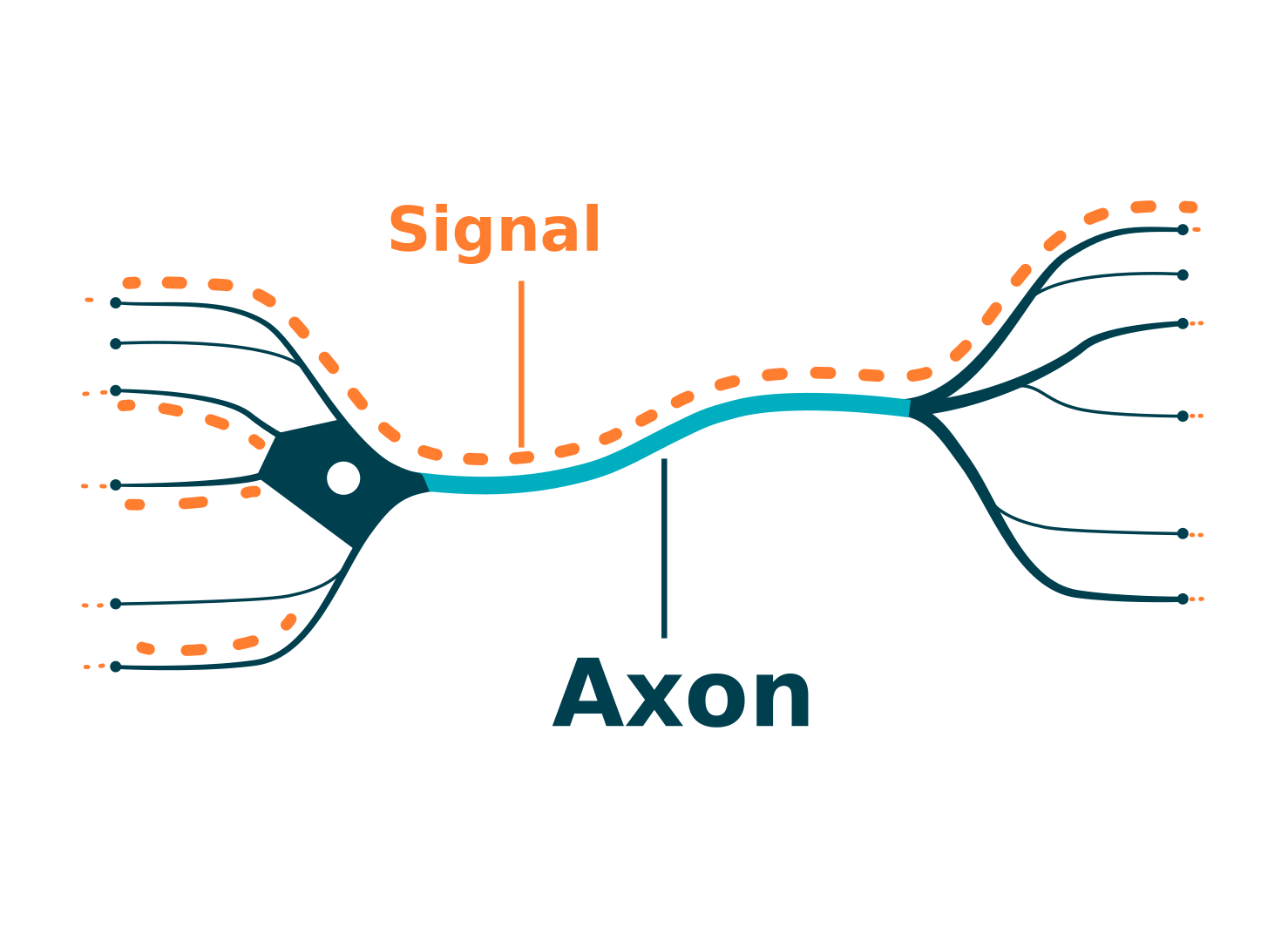
Each signal travels along an axon, the long fibre of the nerve cell.
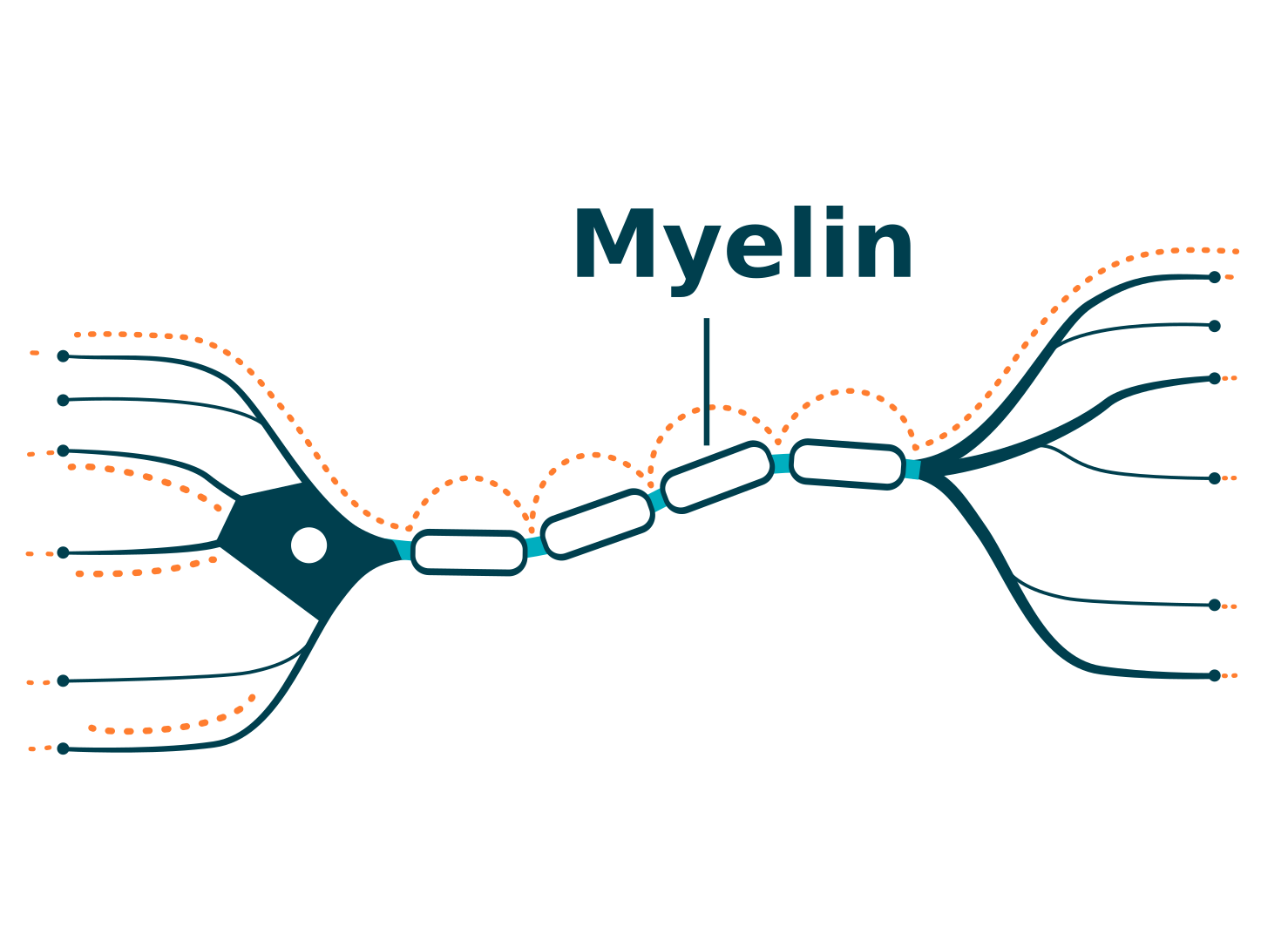
The myelin sheath
An insulating layer wrapped around the axon. It lets the signal travel fast.
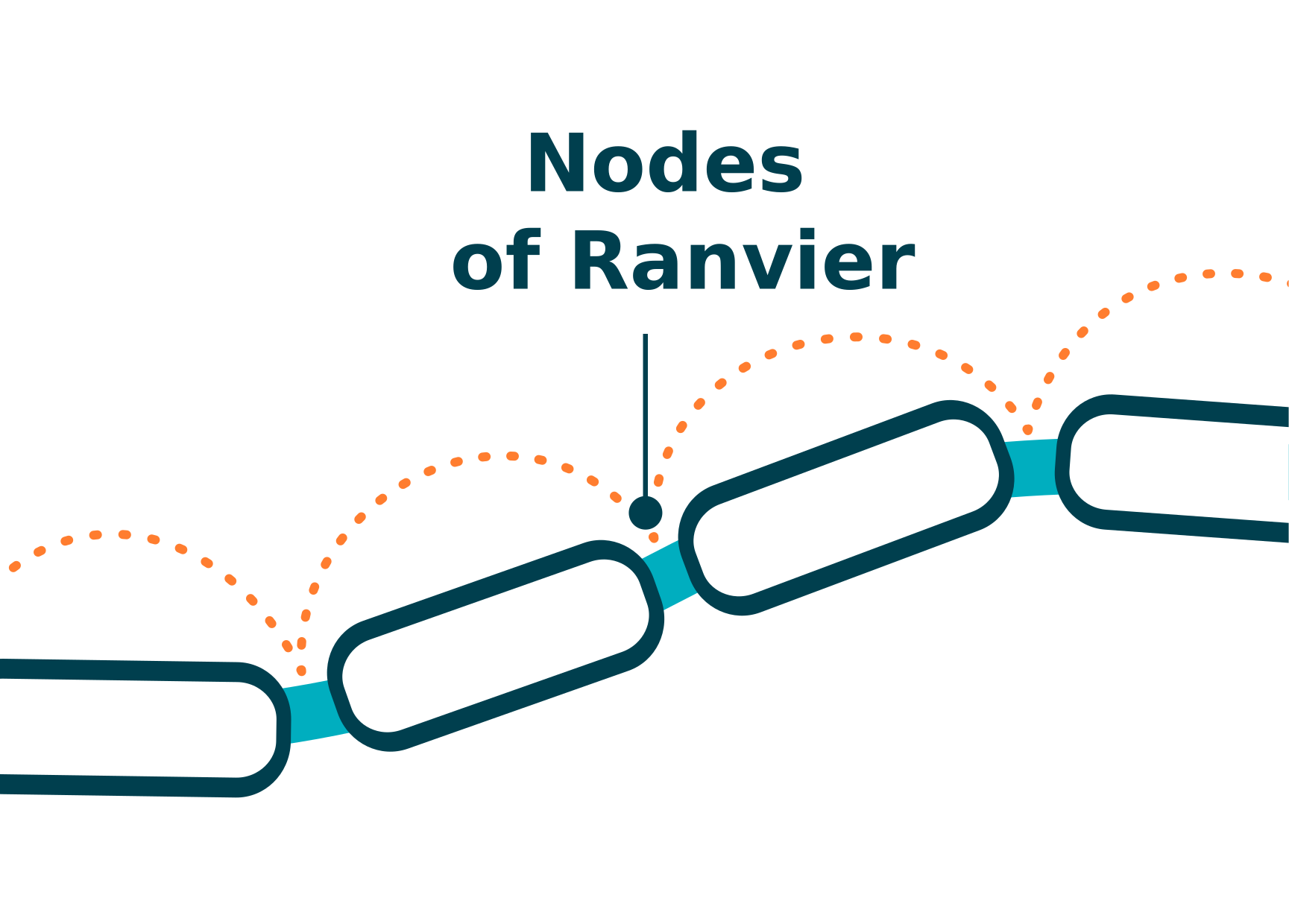
Nodes of Ranvier
Tiny gaps in the myelin where the signal leaps ahead, speeding it on its way.
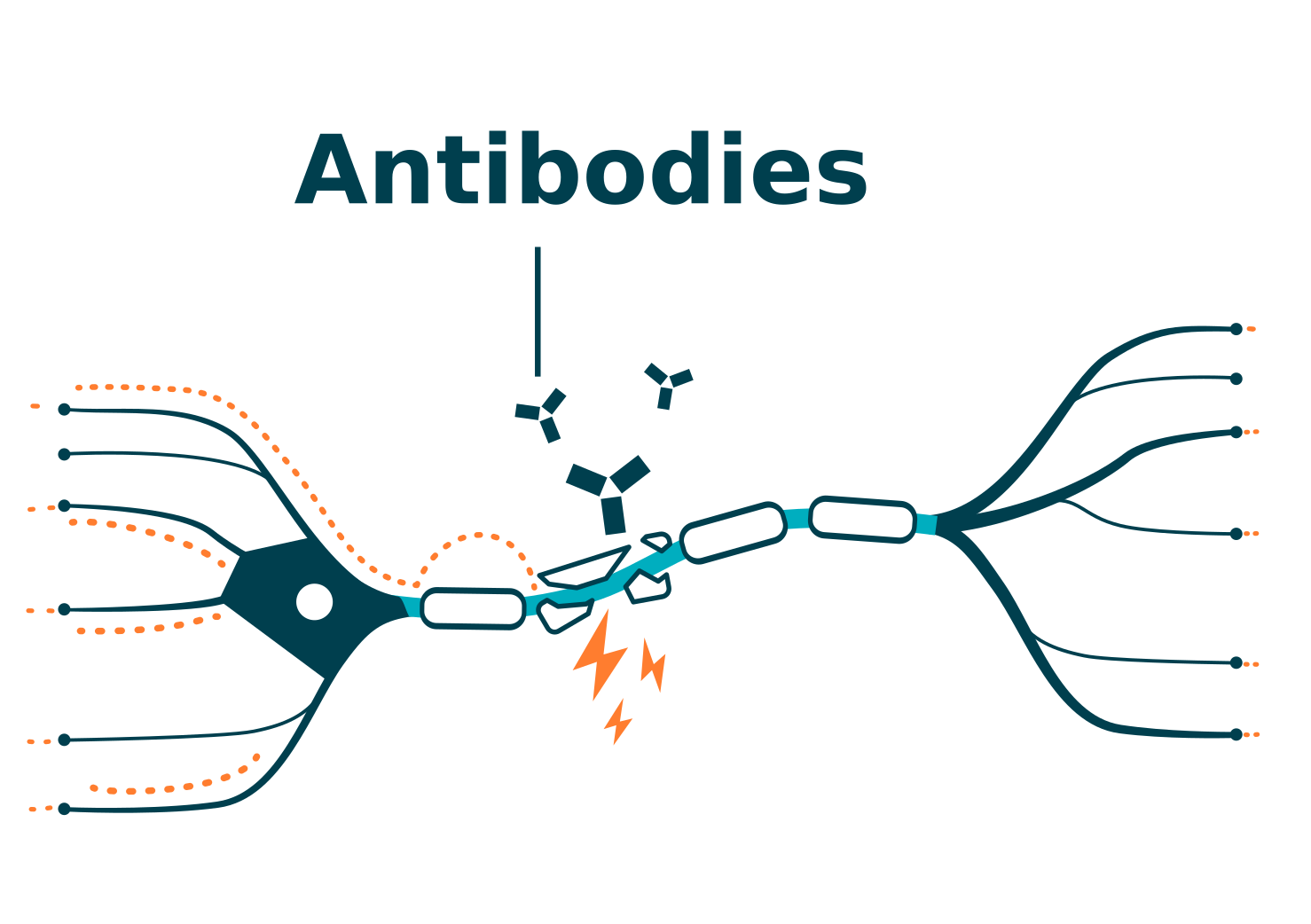
When the immune system turns on the nerve
In these diseases, the immune system mistakes part of a peripheral nerve for a threat and attacks it. Depending on what it targets — the myelin, the axon, or the nodes — the disease takes a different form.
Learn more about the diseases from experts
Disease & Autoimmunity, Understanding the diseases
Disease & Autoimmunity, Understanding the diseases
Symptoms
Because nerves carry information in two directions, symptoms fall into two broad families.
Sensory
Sensory symptoms — when the sensory nerves are disrupted. Tingling, numbness, “pins and needles,” burning pain, or loss of feeling. In daily life: not feeling the ground properly underfoot, fumbling small buttons or coins, or not noticing that a cup is too hot.
Unsteadiness and balance. Many people feel off-balance, especially on uneven ground or in the dark. This comes from the sensory side: when the nerves that report your limbs’ position go quiet, the body loses its sense of where it is in space.
Motor
Motor symptoms — when the motor nerves are disrupted. Muscle weakness and fatigue. In daily life: struggling up stairs, a weakening grip, tripping because the foot doesn’t lift cleanly (“foot drop”), or tiring far faster than before.
A family of related diseases
These conditions are cousins — all driven by inflammation attacking the peripheral nerves, but each with its own signature.
The chronic, long-running form. The attack targets the myelin; symptoms are both sensory and motor.
The acute form. Comes on rapidly, often days after an infection, and can turn severe quickly. Usually a single episode.
Attacks motor nerves only — weakness without much loss of feeling, often starting unevenly in the hands.
A patchy, asymmetric variant affecting both sensation and movement in scattered nerves rather than symmetrically.
Driven by a specific antibody that attacks the myelin. Slow, mainly sensory, often with unsteadiness or a tremor.
Treatments
Care follows two broad lines.
First — calm the immune attack. Bring down the misdirected inflammatory response so the nerves stop being damaged.
Second — ease the impact. Manage the symptoms and support daily life: pain relief, physiotherapy, rehabilitation, and daily living aids where they help.
Immunoglobulin therapy is one of the main tools for the first line. Immunoglobulins are antibodies. Given in concentrated doses, they help dampen and re-balance the immune system’s mistaken attack on the nerves.
These immunoglobulins are plasma-derived. They are made from antibodies extracted from donated human blood plasma — there is no synthetic substitute.
Every dose begins with real donors.
That makes them precious, and their supply fragile. It takes the plasma from many donations to produce a single course of treatment. Manufacturing is long and exacting. Demand keeps rising. The result is real strain — shortages, and patients in some parts of the world who can’t get reliable access.
This is why plasma donation matters so much — and why one decision from you can reach a patient directly.
Learn more about the therapies
Treatment & therapies, Understanding the diseases
Plasma, Treatment & therapies, Understanding the diseases